
Real Footage for Video Ads: How to Plan, Shoot and Test
How to plan, shoot and test video ads built on real footage of your people and work, so your ad spend works harder for your local business.
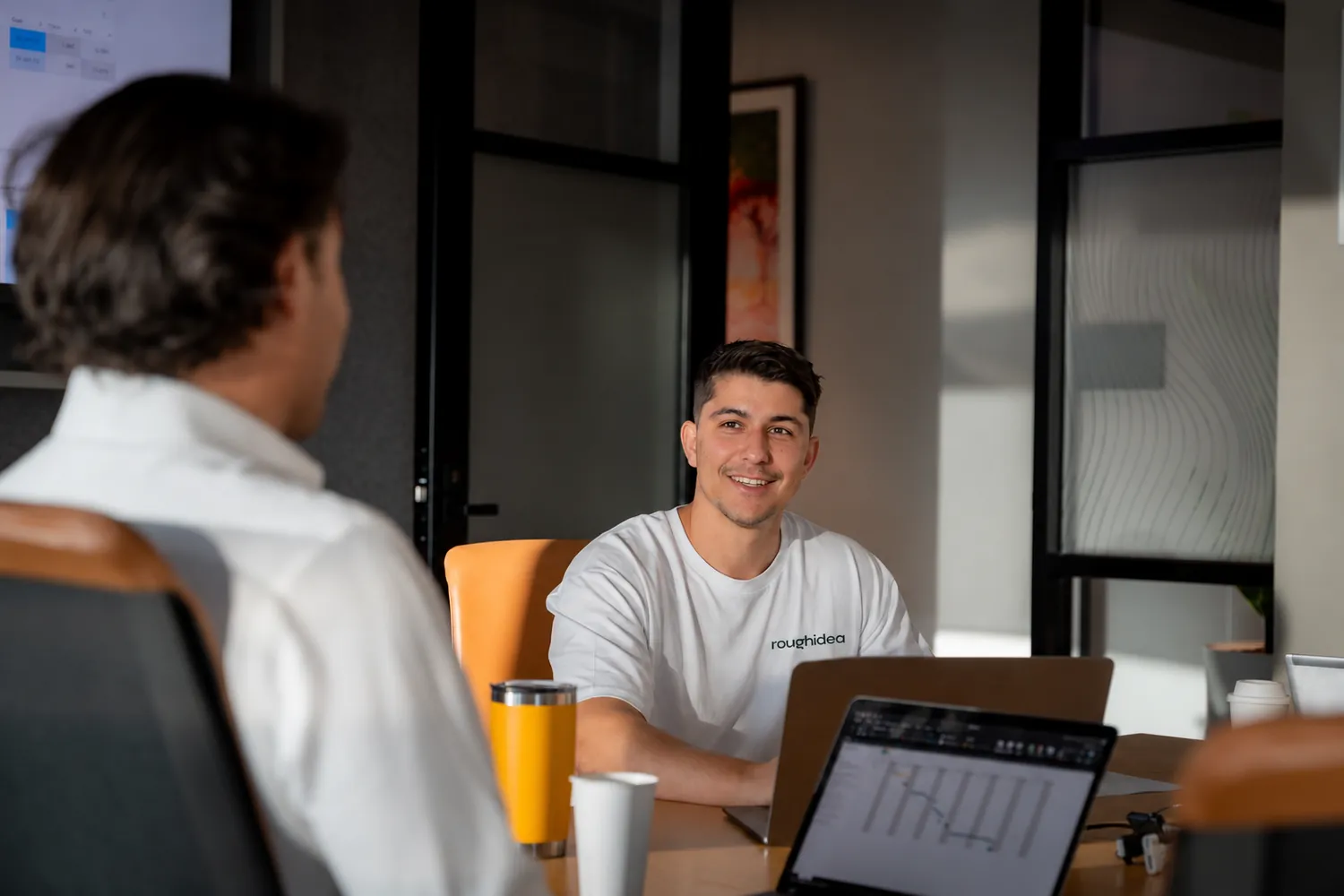
Real footage makes your ads look like your business. Not a stock library.
When you pay for every view and click, generic video is wasted money. Footage of your people, your work and your customers gives you something stock clips never can: proof. It shows how you actually operate, and that is what most buyers want to see before they enquire.
Real does not mean unplanned. The footage that performs in paid campaigns looks simple and natural, but there is a clear plan behind it. You know what you want to say, who you are saying it to and what you want them to do next. The camera is just pointed at real moments instead of staged ones.
Australians have a good radar for nonsense. If an ad feels overly polished or disconnected from real life, people scroll. They are used to local businesses talking to camera, walking through a job or showing a before and after. When your footage matches that, trust builds faster.
A well planned shoot also gives you more to work with. One day of filming can cover a quick hook for social feeds, a calmer explainer for retargeting and a visual for your website. That variety makes testing easy and stops you burning spend on tired creative.
Start With Your Ad Objective
Your shoot plan starts with the objective, not the camera. Before you think about locations or scripts, answer one question: what should this ad achieve for the business?
Clarify the Business Outcome
Write down one primary goal for each campaign, such as:
- Enquiries: more qualified quote requests or calls.
- Bookings: more online sales or appointments.
- Awareness: getting known in a new suburb or region.
- A specific push: filling a service, offer or event.
- Recruitment: attracting people for particular roles.
If your list runs past one or two goals, split it into separate campaigns. Blended goals lead to confused footage and unfocused edits.
Turn the Goal Into One Action
Next, decide what a viewer should do after watching. Click through to a service page. Submit a quote request. Call during business hours. If you cannot describe the action in one sentence, the objective is not clear enough yet.
Let the Objective Shape the Shot List
- Proof: what do people need to see before they act? A process, a result, how you treat customers?
- Questions: what are they wondering at that moment, and which shot or line answers it fast?
- Platform: where will the ad run? That changes framing, length and how quickly you need to hook attention.
For more on connecting objectives, platforms and footage, read our guide on how to create video ads for social media.
Plan the Shoot
A clear plan on paper saves a messy, expensive day on site. This is where you decide the story, the location and who is on camera.
Lock In a Core Theme
Pick one theme that matches the objective. Speed. Attention to detail. Friendly service. Technical know-how. Write it at the top of your plan and check every idea against it.
- Tone: relaxed, premium, energetic or calm. Match how you already show up on your website and socials.
- Key messages: three short points you want people to remember.
- Must-have shots: close-ups of details, your people working, customers using your service.
Choose Honest, Practical Locations
Film where customers would actually see you. A workshop, site, office, clinic or a finished job.
- Visual fit: tidy enough to film, not so clean it looks fake.
- Practicalities: noise, power, parking and the best time of day for light.
- Formats: you will need vertical and horizontal versions, so leave room to reframe.
Plan Who Appears and What They Do
Real people are why this footage works. They just need some structure so they do not freeze or ramble. Decide who best represents the business for this campaign, give each person one simple job and prepare prompts, not scripts. Short bullet points keep people natural and on track.
Shoot for Variations, Not One Hero Video
One shoot should give you many ads. Different hooks, lengths, formats and calls to action perform very differently across Meta, YouTube and TikTok. More smart variations means faster answers about what earns enquiries.
Plan Building Blocks Before You Film
- Multiple hooks: film three to five openers. A bold claim, a quick visual change, a direct question.
- Swappable proof: capture different visuals for the same message, such as different services or customer types.
- Flexible lines: record a few versions of key lines and leave clean space in frame for text.
Use a Simple Variation Framework
- First three seconds: rotate hooks.
- Middle: swap proof shots or benefits while keeping the same voiceover.
- End card: test different calls to action.
Then cut by platform. Short vertical edits for Reels and TikTok, longer horizontal edits for YouTube and your website. Our guide on video ad creative best practices covers what works on each channel.
In-House or With a Partner?
You do not need a full crew to make good ad footage. You do need an honest look at your time and skills.
What You Can Handle Yourself
- Simple filming: your team at work, quick pieces to camera and on-site visuals. Our guide to filming professional videos with a smartphone will help.
- Light planning: outlining key points, prepping people and running a shot list.
- Basic edits: trims, captions and a few exports for different placements.
Where It Starts to Bite
- Volume: paid campaigns need a steady flow of fresh variations, and cutting them takes time away from the real work.
- Consistency: juggling aspect ratios, audio and brand look across platforms is hard when video is not your main job.
- Linking creative to results: someone has to read the ad data and brief new edits from it, not from gut feel.
This is where “we will just do it ourselves” turns into half-finished footage sitting on a hard drive.
A partner does not have to take over. We can turn your objectives into a shoot plan, handle filming and editing, and keep feeding your ad accounts with fresh cuts while you keep control of budget and approvals.
Test, Learn and Iterate
Footage is only as useful as what you learn from it. Once ads are live, the job shifts to watching, reading the numbers and adjusting.
Decide What Working Looks Like
- The goal: enquiries, booked calls or qualified traffic to a key page.
- Two key metrics: for example cost per lead and hook rate, not every number in the dashboard.
- A testing window: how long each variation runs before you judge it.
Not sure which numbers matter? Start with our list of video ad metrics worth tracking.
Look for Patterns
Do not just crown a winner. Work out why it won. Which hooks hold attention? Do process clips beat finished results? Which calls to action actually get people to act? Turn those into simple notes like “direct to camera beats montage” and feed them into the next shoot.
Build a Feedback Loop
- Review: check results on a set day each week or fortnight.
- Decide: pick two or three changes, like new hooks or pausing weak versions.
- Act: brief the edits, upload them and note what changed and why.
The Short Version
- Get specific about the outcome and the one action you want.
- Plan a shoot with locations, people and messages your audience recognises as real.
- Capture enough hooks, proof and calls to action to cut multiple edits.
- Keep testing so your footage improves instead of sitting in a folder.
Want real footage and the campaigns to run it? That's our paid advertising service, built on video from real projects and people. Get in touch.
Want us to find the stories for you?
We bring the ideas, direction and production. You keep doing great work.
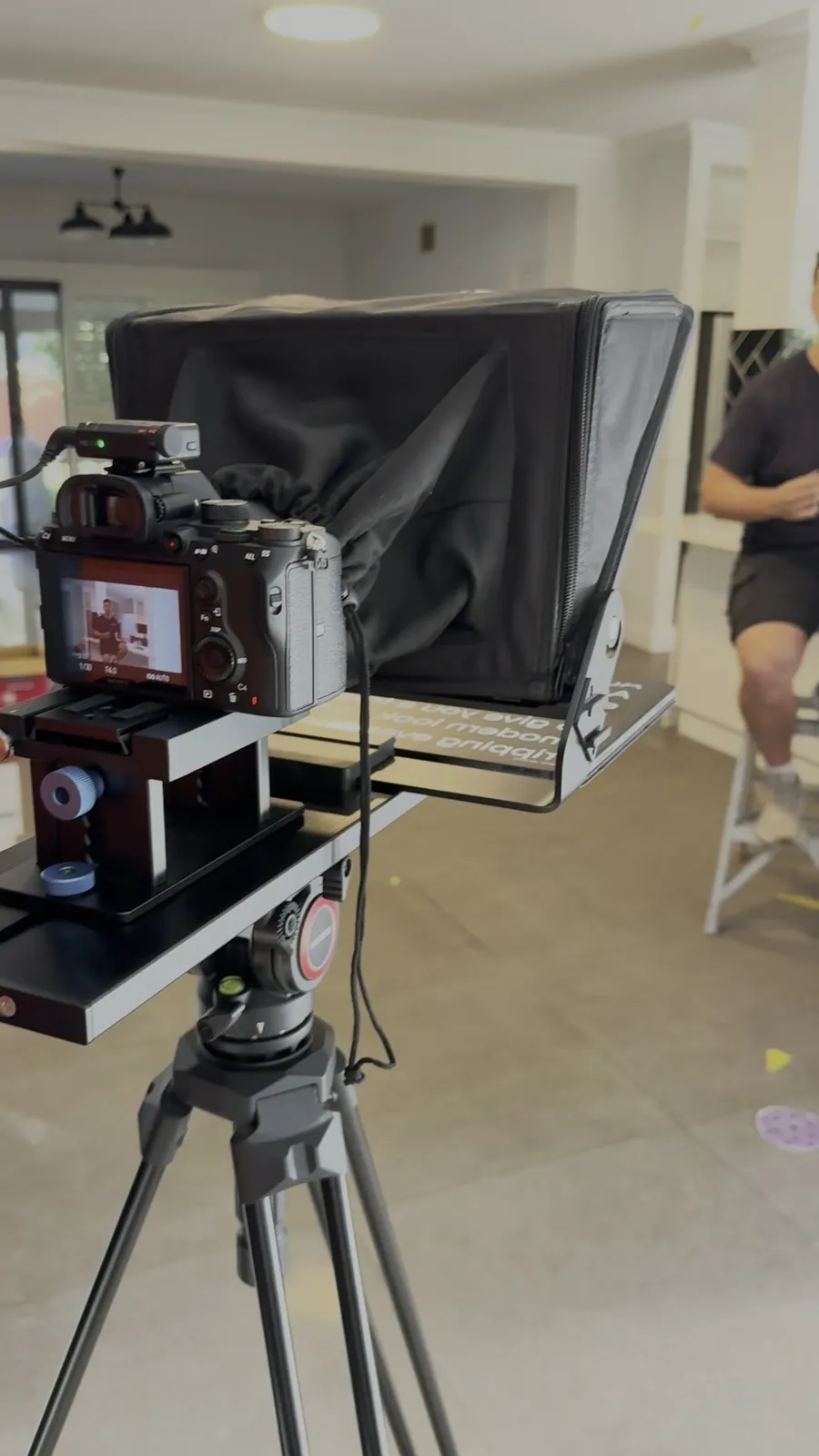

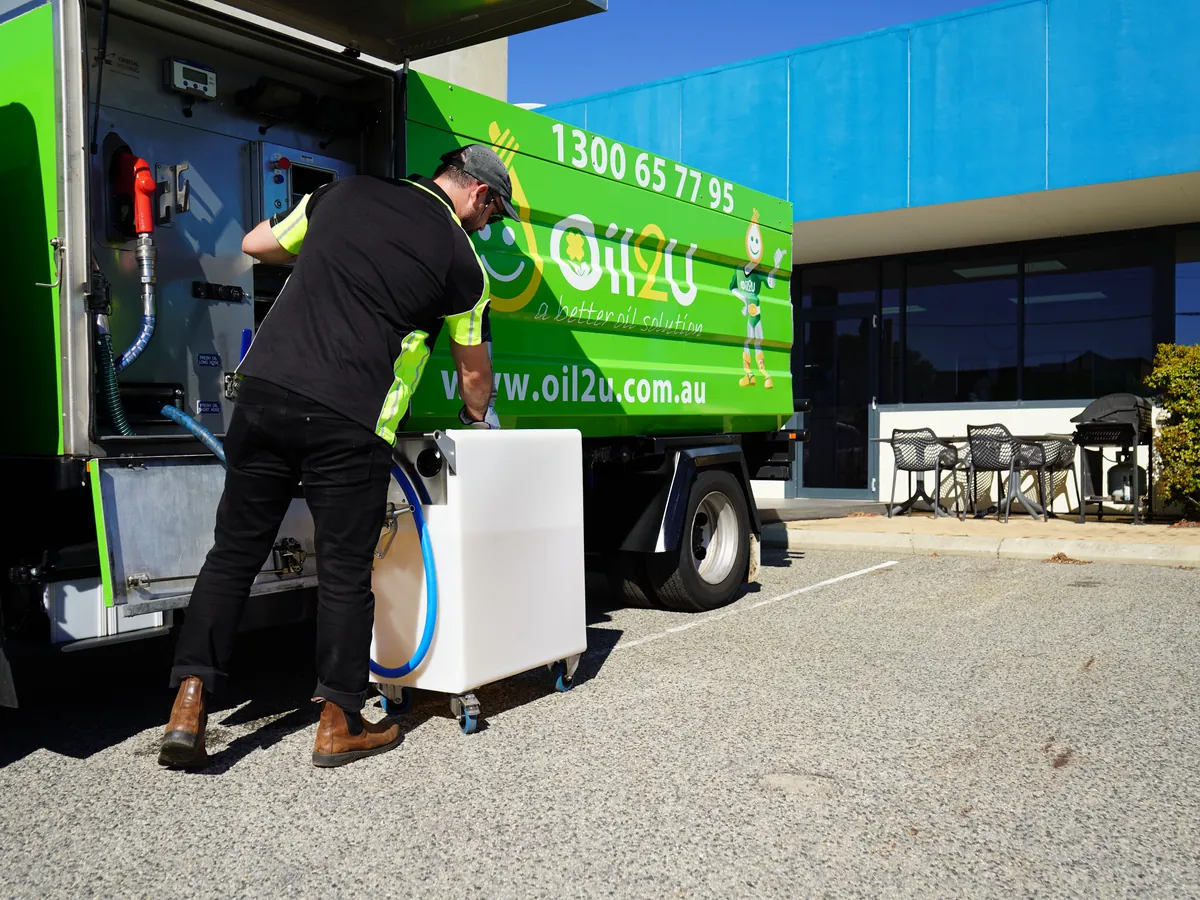
Rather we just do it for you?
We bring the ideas, direction and production. You keep doing great work.